
The Third Place Crisis: Why We're Losing Our Communities
There's a version of modern life that looks, on paper, connected: full calendars, group chats, a phone that never stops buzzing. And yet, according to the U.S. Surgeon General's 2023 advisory, roughly half of American adults were already experiencing measurable loneliness before the pandemic ever began. A 2024 Pew Research survey found that 16% of adults — and nearly a quarter of adults under 30 — report feeling lonely or isolated "all or most of the time."
We tend to blame this on screens. It's a comfortable explanation, and not entirely wrong — but it skips over something more physical and more fixable: we are quietly losing the places where community used to happen by default.
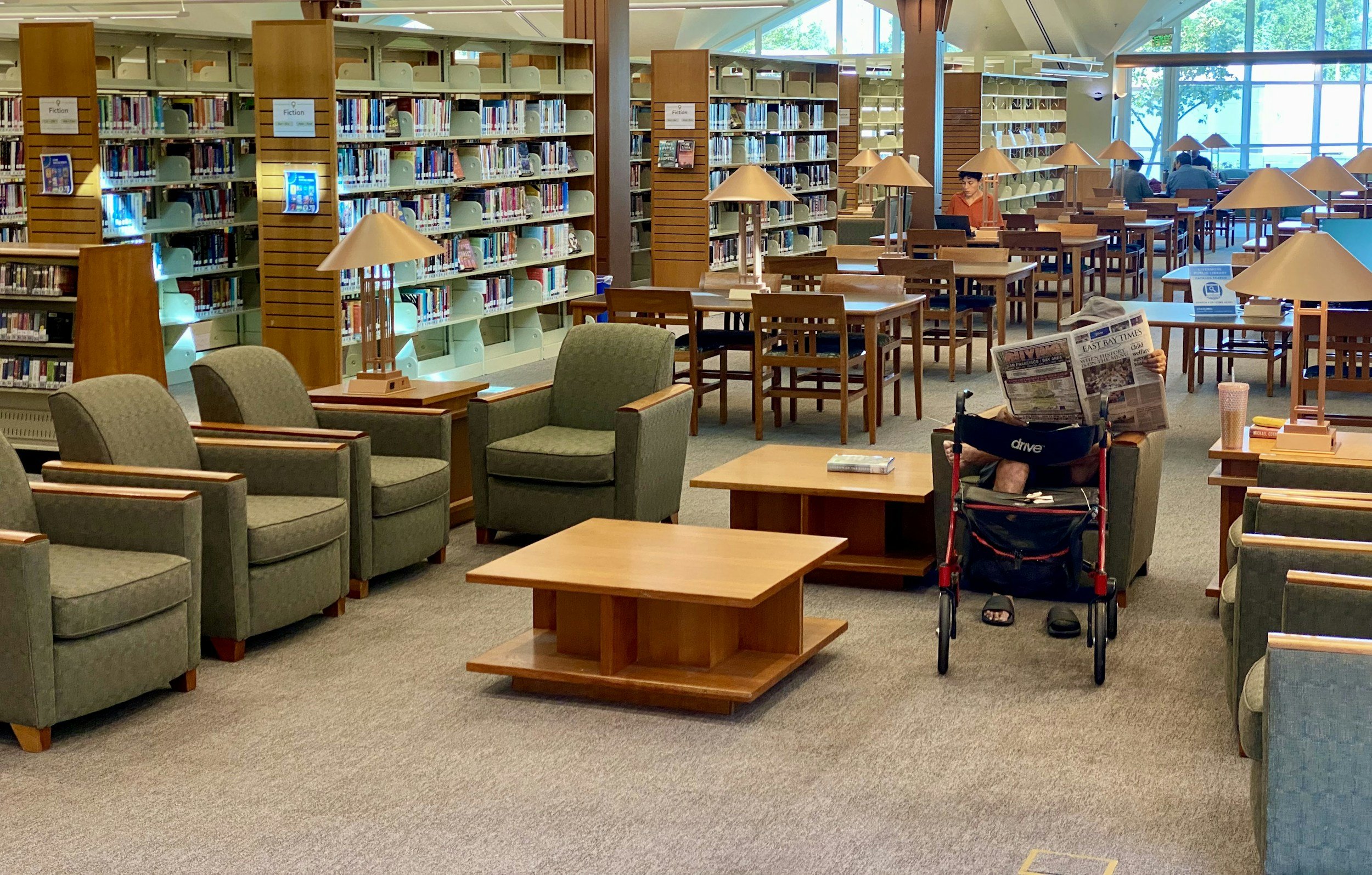
Sociologist Ray Oldenburg gave these places a name back in 1989: third places. Not home (the first place), not work (the second place), but the cafes, libraries, barbershops, parks, and corner stores where people gather without an agenda, see the same familiar faces, and build the low-stakes relationships that eventually add up to a sense of belonging. His book The Great Good Place argued that democracy itself depends on having somewhere to practice being a community.
Those places are disappearing — and the research now shows it's not a side effect of loneliness. It may be one of its root causes.
What the Research Actually Shows
A 2024 study led by Yue Sun at CU Boulder's Institute of Behavioral Science tracked third-place closures across the U.S. and found significant losses across nearly every category between 2019 and 2021 — with the sharpest, most permanent damage concentrated in rural areas and socially vulnerable communities. Sun draws a distinction that matters: a closure caused by a sudden shock (like COVID-19) can bounce back once conditions improve. A closure caused by long-term decline — shrinking populations, disinvestment, a Main Street that slowly empties out — usually can't. "When they close," Sun explains, "people interact less. As a result, they have less access to information and opportunities, feel more isolated and lonely, and lose some sense of belonging."
That finding lines up with Harvard Graduate School of Education's Making Caring Common survey, which asked lonely Americans what they actually wanted more of. Three-quarters said they wanted "more activities and fun community events" where they live, and "public spaces that are more accessible and connection-focused, like green spaces and playgrounds." People aren't asking for more notifications. They're asking for somewhere to go.
The same survey surfaced a detail worth sitting with: loneliness isn't just about how many people are around you. One respondent described having plenty of family nearby but never feeling appreciated by them; another said they were "surrounded" by people who were only present in their life because they were useful to them. Isolation is geographic. Loneliness is relational. Third places address both, because they're one of the few settings left where relationships form with no transactional purpose attached.
Why This Matters More Than It Sounds
It's tempting to file this under "nice to have" — a wistful complaint about the local diner closing. The data says otherwise. The Harvard survey found that 81% of adults experiencing loneliness also reported anxiety or depression, compared to 29% of those who weren't lonely. Sun's research links third-place loss directly to worse health outcomes and deepening inequality, disproportionately in communities that already have the fewest resources to absorb the loss.
This is also where the "it's just social media" explanation runs out of road. Screens didn't close the community centers, libraries, and independent shops that third places tend to be. Zoning that favors strip malls over walkable gathering spots did. Rising commercial rents did. The slow replacement of a shared civic commons with private, paid, single-purpose spaces did. Social media may be filling a vacuum — badly — but it didn't create the vacuum.
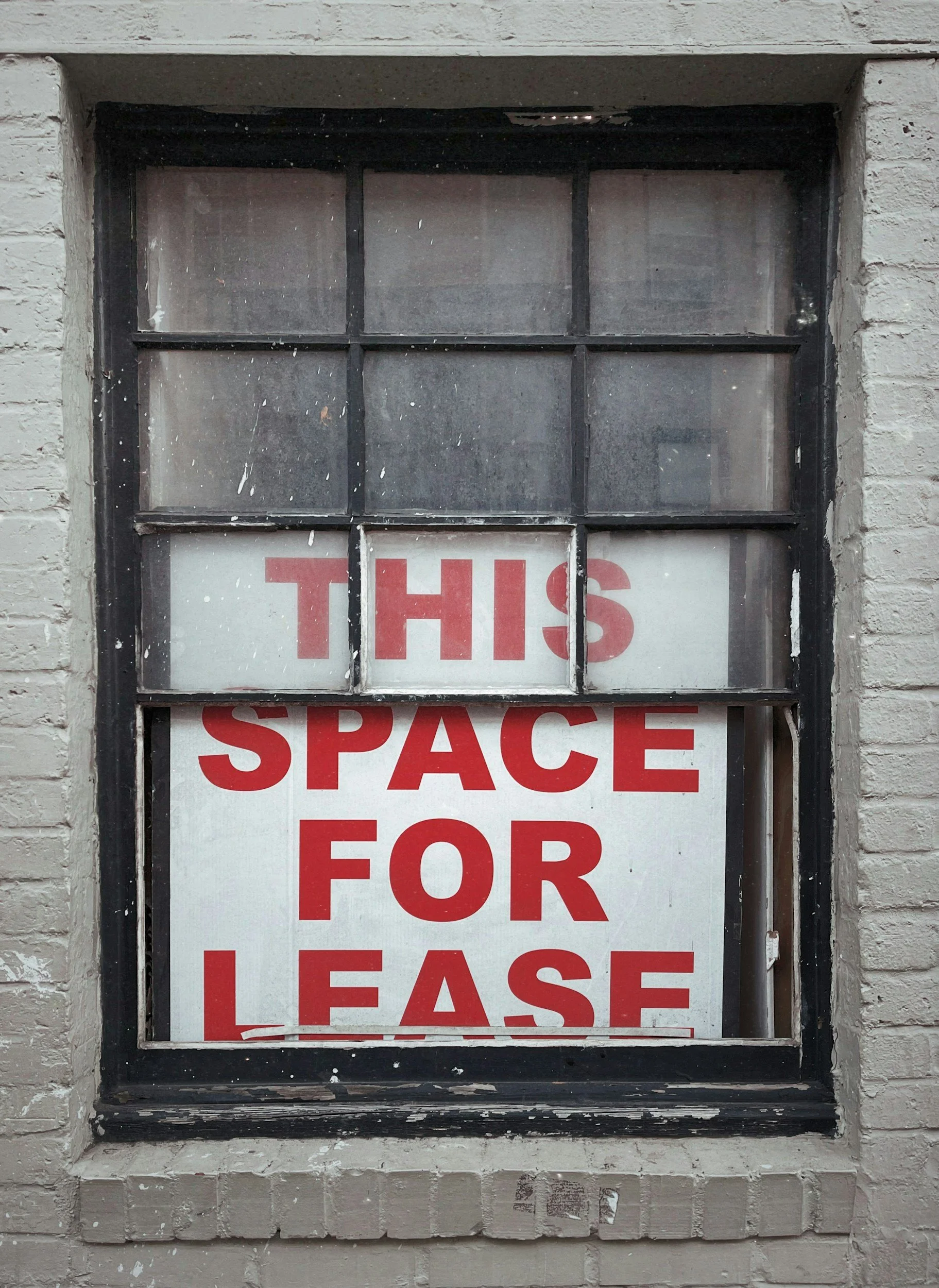
A closed small-town storefront, illustrating the third-place closures tracked by recent research
What Actually Rebuilds a Third Place
None of this requires waiting for a policy overhaul. Third places are, by nature, built from the ground up:
Show up consistently, not just once. A third place isn't created by a single visit — it's created by becoming a familiar face somewhere. Pick one café, library, or park and go on a repeatable rhythm.
Support the low-margin, high-connection businesses first. Independent cafes, bookstores, and community centers are exactly the categories Sun's research found closing fastest. Spending there is a small, direct vote for keeping the space open.
Advocate locally for public third places. Libraries and parks are third places that don't depend on a business staying profitable — which is part of why the Harvard survey found "more accessible public spaces" as one of the most-requested solutions. Local budget and zoning meetings are where those spaces get protected or cut.
Host something with no agenda. A recurring open gathering — a potluck, a walking group, a Sunday reading hour — is how a private space becomes a third place for a wider circle.
This is also where sustainable, community-driven living and grassroots organizing intersect with the third-place conversation more than it first appears: both depend on the same infrastructure of recurring, in-person, low-barrier gathering. You can't build a grassroots movement, or a genuinely sustainable local economy, without somewhere for people to actually meet.
FAQ
What is a "third place"?
A term coined by sociologist Ray Oldenburg in his 1989 book The Great Good Place, referring to informal public gathering spaces — cafes, libraries, parks, barbershops — that are neither home (first place) nor work (second place). Their defining feature is that people go there regularly, without a specific agenda, and build community as a byproduct.
Is the loneliness epidemic really about physical spaces, or is it about phones?
Both play a role, but the CU Boulder research on third-place closures suggests the physical infrastructure loss is a distinct, measurable driver — not just a backdrop to screen time. Third places were closing well before smartphones existed at scale, largely due to zoning, rising commercial rents, and long-term population and investment shifts.
Which communities are hit hardest by third-place loss?
Sun's research found the most severe, least-reversible closures concentrated in rural areas and in Census tracts with higher concentrations of socially vulnerable populations — meaning the places with the fewest alternative ways to rebuild lost social infrastructure are losing it fastest.
What can one person actually do about this?
Become a repeat customer somewhere instead of a one-time visitor, support independent low-margin community businesses, show up to local meetings where zoning and library/park funding get decided, and host recurring no-agenda gatherings of your own.
